
How Recycling Initiatives Drive Environmental Change
Every day, the world generates mountains of waste. Mountains that grow taller, threatening the very ground beneath our feet. But what if I told you that within this challenge lies a powerful opportunity? A chance to transform trash into treasure, pollution into progress. This is the magic of innovative waste recycling. It’s not just about sorting cans or bottles; it’s about igniting a movement that pulses with hope, energy, and urgent action.
Imagine a future where every discarded item is a seed for change. Where communities unite, young heroes rise, and the planet breathes easier. This is the story of how recycling initiatives are not just cleaning up our mess—they are rewriting the script of environmental change.
The Power of Innovative Waste Recycling to Transform Our Planet
Innovative waste recycling is more than a buzzword. It’s a dynamic force reshaping how we think about waste and resources. Gone are the days when recycling was a chore or an afterthought. Today, it’s a vibrant ecosystem of ideas, technology, and passion.
Take, for example, the rise of smart recycling bins that use sensors to sort materials automatically. Or community programs that turn plastic waste into building blocks for affordable housing. These innovations are not just clever—they are essential. They reduce landfill overflow, cut greenhouse gas emissions, and conserve precious natural resources.
But the true power lies in participation. When children, youth, and educators embrace recycling, they become catalysts for change. Schools that integrate recycling into their curriculum spark curiosity and responsibility. Neighborhoods that rally around recycling drives build stronger bonds and cleaner streets. This collective energy fuels a global movement that can’t be stopped.

How Innovative Waste Recycling Sparks Creativity and Action
Innovation thrives when we challenge the status quo. Recycling initiatives are a playground for creativity, inviting everyone to rethink waste. From art projects made of reclaimed materials to apps that reward recycling habits, the possibilities are endless.
One inspiring example is the story of Ryan Hickman, a young environmentalist whose passion for recycling turned into a nationwide movement. His efforts show how a single idea, nurtured with enthusiasm and persistence, can ripple outwards and inspire millions. You can learn more about his journey and the impact of his recycling initiative.
The beauty of these initiatives is their accessibility. You don’t need a lab or a factory to make a difference. Start small: organize a neighborhood clean-up, create a recycling challenge at school, or simply spread the word about the benefits of recycling. Every action counts, and every voice adds to the chorus demanding change.
How many cans do you need to recycle to make $100?
Let’s get practical for a moment. Recycling isn’t just good for the planet—it can also be rewarding in tangible ways. Many states and countries offer cash refunds for recycling aluminum cans. But how many cans do you need to collect to make $100?
Typically, the refund rate is around 5 to 10 cents per can. At 5 cents per can, you would need to recycle 2,000 cans to reach $100. At 10 cents per can, it’s 1,000 cans. That’s a lot of cans, but it’s not impossible—especially when communities come together.
This simple math reveals a powerful truth: recycling can be both an environmental and economic win. It encourages us to think bigger, to see waste as a resource waiting to be unlocked. Plus, it’s a fantastic way to teach kids about money, responsibility, and the environment all at once.
Practical Steps to Boost Your Recycling Impact Today
Ready to jump in? Here are some actionable tips to supercharge your recycling efforts and inspire those around you:
Educate Yourself and Others
Learn what materials are recyclable in your area. Share this knowledge with friends, family, and classmates.
Set Up a Recycling Station
Create clearly labeled bins at home, school, or community centers to make recycling easy and fun.
Reduce Before You Recycle
Remember, the best waste is the waste you don’t create. Choose reusable items and avoid single-use plastics.
Support Local Recycling Programs
Participate in or volunteer for local drives and events. Your energy can amplify their reach.
Get Creative
Turn recycling into art, games, or competitions. Celebrate milestones and reward participation.
Advocate for Change
Encourage local leaders to invest in better recycling infrastructure and policies.
By weaving these steps into daily life, we build a culture where recycling is second nature—a powerful shield against environmental degradation.
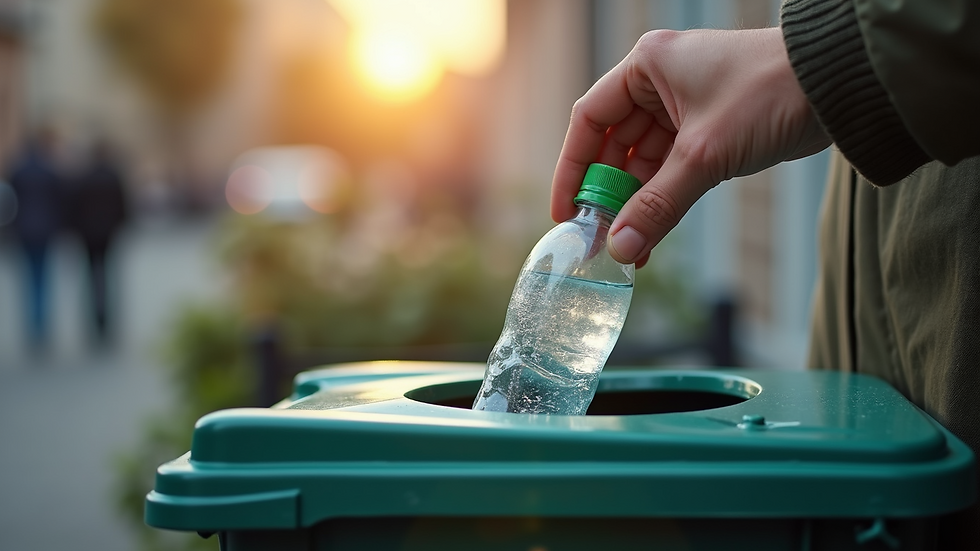
The Ripple Effect: How Recycling Initiatives Inspire Global Environmental Change
When we recycle, we do more than sort materials—we spark a ripple effect that spreads far beyond our neighborhoods. Each bottle, can, or paper saved reduces the demand for raw materials, cuts energy use, and lowers carbon emissions. This collective action can slow climate change and protect ecosystems.
Moreover, recycling initiatives empower the next generation of environmental leaders. They teach resilience, innovation, and stewardship. They show that even the smallest hands can hold the power to heal the planet.
The journey toward a sustainable future is a marathon, not a sprint. But with every recycled item, every shared story, and every inspired mind, we move closer to a world where nature and humanity thrive together.
So, let’s rise to the challenge. Let’s turn waste into wonder. Let’s be the heroes our planet needs.
Together, we can make recycling not just a habit, but a revolution.


Comments